

Đồ nội thất nhà bếp
trong một hệ thống chuỗi cung ứng thống nhất.Ưu điểm bao gồm:Lô hàng hợp nhấtTiêu chuẩn chất lượng thống nhấtĐơn giản hóa việc giao tiếp và lập hồ sơ.Cách tiếp cận tích hợp này giúp các nhà bán buôn và nhập khẩu mở rộng phạm vi sản phẩm trong khi vẫn duy trì được quyền kiểm soát hoạt động.Dành cho người mua tìm nguồn hàngNội thất phòng khách,Đồ nội thất phòng ngủ,
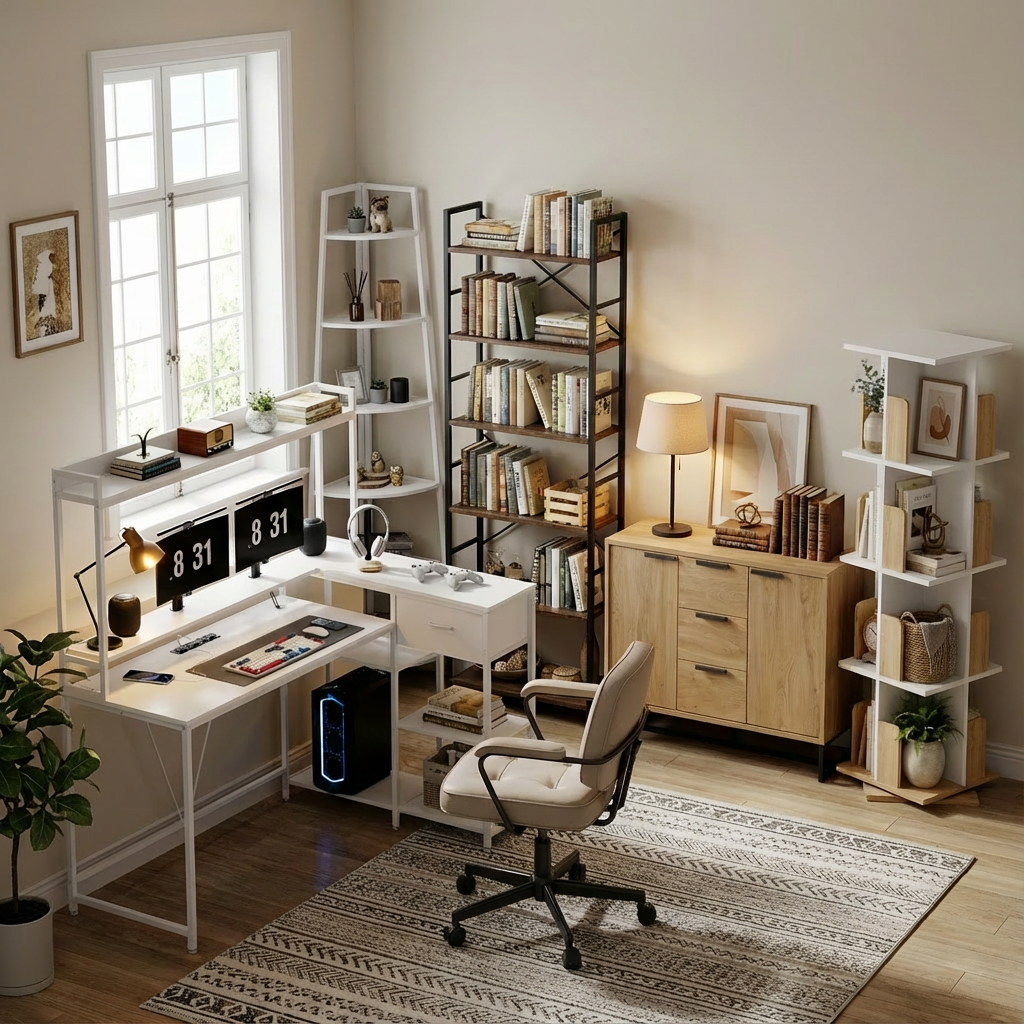
Nội thất văn phòng tại nhà
,
Đồ nội thất lối vào
, Và
Đồ nội thất nhà bếp
Việc lựa chọn nhà cung cấp có hệ thống chuỗi cung ứng bài bản, dựa trên dữ liệu là chìa khóa cho sự tăng trưởng bền vững.Nếu bạn đang đánh giá nhà cung cấp hoặc xem xét lại các tiêu chuẩn chuỗi cung ứng cho chương trình sản xuất nội thất của mình, việc thống nhất sớm các thông số về hậu cần, kiểm soát chất lượng và thời gian giao hàng có thể giảm thiểu đáng kể rủi ro trong khâu tìm nguồn cung ứng.
Carton size optimization: designed for 20GP / 40HQ container efficiency
Single carton weight: typically controlled under 30–35 kg for parcel delivery compatibility
Container loading efficiency: 85–90% utilization rate
For categories such as Living Room Furniture and Bedroom Furniture, optimized carton planning can reduce freight cost per unit by 8–12%, which directly improves landed cost competitiveness for importers and online sellers.
2. Quality Control: Standardized Processes Reduce Risk
Quality consistency is a top concern for buyers of Home Office Furniture and Entryway Furniture, especially in e-commerce and project channels where after-sales costs are highly visible.
A mature QC system typically includes:
Incoming material inspection (steel, boards, hardware)
In-process inspection at key production stages
Final assembly and function testing
Packaging and carton integrity checks
Common technical benchmarks include:
Board thickness: 15–18 mm MDF or particle board
Steel thickness: 0.8–1.2 mm for structural components
Load testing: shelves rated at 10–20 kg, desks at 50–80 kg static load
Hardware cycle testing: 30,000–50,000 open/close cycles
For Kitchen Furniture, moisture resistance and surface durability testing are often added to ensure suitability for daily use environments.
3. Lead Time Optimization: Balancing Flexibility and Stability
For B2B buyers, reliable delivery schedules matter as much as short lead times. Professional suppliers optimize production planning to balance customization with stability.
Typical export lead time benchmarks:
Sample development: 7–14 days
Mass production: 30–45 days after deposit
Peak season buffer: +7–10 days
By standardizing core structures across Living Room Furniture, Bedroom Furniture, and Home Office Furniture collections, suppliers can reduce material changeovers and improve on-time delivery rates to 95% or above.
4. Packaging & Compliance: Protecting Products in Transit
Damage during transit is one of the largest hidden costs in international furniture trade. Reliable suppliers integrate packaging design into the overall supply chain strategy.
Common protective measures include:
ISTA 1A / 10-point drop test compliance
Corner protection and internal honeycomb structures
Clear part labeling to reduce installation errors
For Entryway Furniture and Kitchen Furniture, where smaller components and mixed materials are common, structured packaging significantly reduces customer complaints and return rates.
5. Scalable Supply Chains for Multi-Category Furniture Programs
Buyers sourcing across multiple categories benefit from suppliers who can manage Living Room Furniture, Bedroom Furniture, Home Office Furniture, Entryway Furniture, and Kitchen Furniture within a unified supply chain system.
Advantages include:
Consolidated shipments
Unified quality standards
Simplified communication and documentation
This integrated approach helps wholesalers and importers expand product ranges while maintaining operational control.